

The U.S. financial landscape is on the verge of a notable transformation with the introduction of payment cards that integrate biometric technology. This innovation, which uses fingerprint recognition directly on the card, aims to make transactions more secure and personalized. Unlike traditional chip-and-PIN or contactless options, these cards verify identity using unique physical traits, reducing the risk of fraud.
Biometric technology in cards is not a new concept globally, but its large-scale debut in the American market signals a major leap in financial security standards. With growing concerns over data breaches and unauthorized access, financial institutions see biometrics as a natural evolution in authentication. Early adopters will benefit from faster verification, fewer password requirements.
Enhanced Security Beyond Traditional Methods
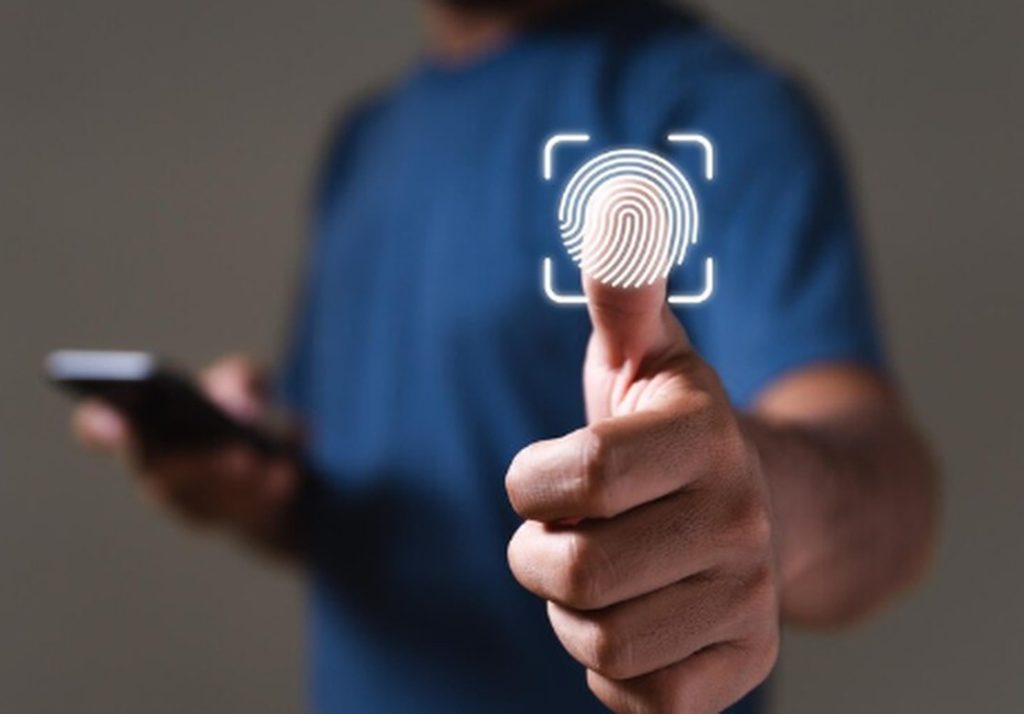
One of the primary advantages of biometric technology cards is the enhanced security they bring to everyday transactions. This eliminates vulnerabilities found in stolen PIN codes or easily guessed passwords. Furthermore, the biometric data is stored securely on the card’s chip, not in an external database, which reduces exposure to large-scale hacks.
Retailers and payment processors are also expected to upgrade their infrastructure to accommodate biometric verification. While this will require investment, the long-term payoff is substantial. With reduced fraud cases, banks may lower operational costs, and customers can enjoy peace of mind knowing that even if their card is lost, it cannot be misused.
Convenience Meets Innovation
In addition to improved security, biometric technology offers unparalleled convenience. No longer will users need to remember multiple PINs or sign receipts to confirm identity. Instead, a simple touch on the card’s sensor completes the transaction. This streamlined process is especially valuable in high-volume retail environments, where speed is essential.
However, adoption will depend on user education and comfort with the new system. Some individuals may be hesitant to trust their biometric data to a payment method, despite the localized storage safeguards. Banks will need to provide transparent information on how the technology works and why it is safe, ensuring customers feel confident in making the switch.
Potential Challenges in Implementation
While the advantages are clear, the rollout of biometric technology cards is not without obstacles. Upgrading payment terminals across the country will take time and resources. Smaller businesses may delay adoption until costs become more manageable, creating a period where biometric cardholders still need to rely on traditional payment methods in certain locations.
Another consideration is the durability of the fingerprint sensors embedded in the cards. These components must withstand daily wear and tear without losing accuracy. Manufacturers are working to ensure longevity, but widespread consumer use will be the ultimate test.
The Future of Payments in the U.S.
As biometric technology becomes a mainstream feature in payment cards, it is likely to influence other areas of personal finance. Digital wallets, ATMs, and even online banking could integrate similar verification methods, creating a unified security ecosystem. This shift could ultimately reduce identity theft rates and redefine how Americans think about secure transactions.
In the coming years, biometric technology cards may become as common as chip-enabled ones are today. The success of this transition will depend on collaboration between banks, retailers, and technology providers, as well as the trust of consumers. If executed effectively, this evolution could mark a pivotal moment in the history of payment security in the United States.