
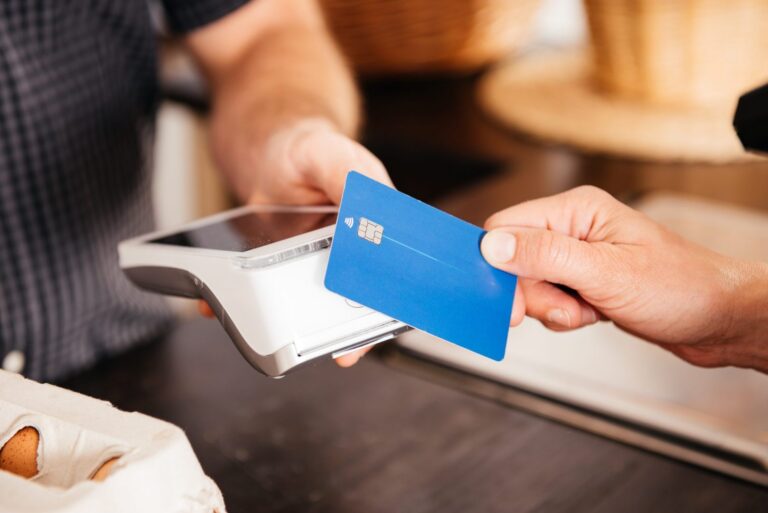
Understanding the credit card vs debit card differences is essential for anyone trying to manage money responsibly. These two payment methods may look similar, but they work in very different ways. Knowing when and how to use each one can help you avoid debt, control expenses, and make smarter financial decisions every day.
This guide explains the main differences between credit and debit cards, how they work in the U.S., and when each is most useful. You’ll also find the pros and cons of both, a comparison table, and safety tips to protect your finances.
How Do Credit and Debit Cards Work?
A credit card lets you make purchases using borrowed money up to a pre-approved limit. Instead of paying right away, you receive a monthly statement with all your expenses. If you don’t pay the full amount by the due date, interest will be charged on the remaining balance. Responsible use of credit helps you build a strong credit score, which affects your ability to get loans and better financial offers in the future.
A debit card, on the other hand, is connected to your checking account and uses your own funds. Each transaction is deducted immediately from your balance, so you spend only what you already have. Since no money is borrowed, debit cards have no impact on your credit score and are perfect for keeping your budget under control without the risk of accumulating debt.
Key Differences Between Credit and Debit Cards
The credit card vs debit card differences are mainly about how the money is accessed and how payments are handled. Credit cards borrow money from the issuer and charge you later, while debit cards withdraw funds directly from your account. Each option offers unique benefits and risks depending on your spending style and financial goals.
| Aspect | Credit Card | Debit Card |
|---|---|---|
| Source of funds | Borrowed from issuer (credit limit) | Directly from checking account |
| Impact on credit score | Yes, helps build or hurt credit | No impact on score |
| Payment method | Monthly statement, can be paid later or in installments | Immediate deduction from balance |
| Debt risk | Higher, if misused or unpaid | Low, limited to available funds |
| Benefits | Rewards, points, miles, purchase protection | Simplicity, control, no interest |
| Online acceptance | Widely accepted, safer for online use | Sometimes limited for e-commerce |
| Fees and interest | May include annual fees or high interest rates | Usually no interest or annual fee |
Credit Card Pros and Cons
Credit cards offer flexibility, convenience, and rewards such as cash back, travel points, and purchase protection. They are essential for building a good credit history and gaining access to larger financial opportunities like loans and mortgages. Used responsibly, they provide security, emergency coverage, and protection against fraud.
The main disadvantage is the risk of debt accumulation if spending isn’t controlled. Paying only the minimum amount on your statement can quickly lead to high interest charges and damage to your credit score. To make the most of your card, pay your balance in full each month and monitor your expenses carefully. This balance between control and reward defines the true credit card vs debit card differences.
Debit Card Pros and Cons
Debit cards are ideal for budget control and daily expenses, since they help you spend only what’s available in your account. They’re convenient for groceries, transportation, bills, and small everyday purchases. For many, debit cards represent a safer, debt-free alternative that simplifies financial management.
However, debit cards provide fewer perks compared to credit cards. They usually don’t offer reward programs, can have limited protection for disputed transactions, and are sometimes less accepted for international or online purchases. Still, their simplicity and security make them a practical choice for anyone focused on discipline and spending awareness — an important factor when comparing credit card vs debit card differences.
When Should You Use Credit vs Debit?
The right choice depends on your financial goals and situation. Credit cards are better for online shopping, travel bookings, emergencies, or any situation that benefits from extra protection and fraud insurance. They are also crucial for improving your credit score, as consistent on-time payments strengthen your financial profile.
Debit cards, on the other hand, are better suited for day-to-day spending. They help you stick to your budget and avoid unnecessary debt. Many financial advisors recommend using both wisely — debit for routine expenses and credit for planned purchases — to balance flexibility, control, and long-term benefits. This strategic mix highlights the real differences between credit and debit cards in everyday life.
Security and Fraud Protection Tips
Whether you use credit or debit, security should always come first. Make purchases only from trusted websites that use secure connections (https) and avoid sharing card details by message or email. If your card is lost or stolen, block it immediately through your bank’s app or customer service.
When traveling abroad, pay attention to foreign transaction fees and use ATMs that belong to your bank network whenever possible. Regularly checking your account activity through mobile alerts or banking apps is one of the best ways to detect suspicious transactions early and prevent fraud.
Conclusion
Understanding the credit card vs debit card differences is key to smarter money management. Credit cards help you build credit and access rewards, while debit cards promote discipline and simplicity. Each serves a purpose, and using both responsibly brings balance between flexibility, security, and control.
By mastering how each card works and applying safe habits, you can make confident financial decisions that protect your money today and strengthen your future stability. Recognizing these differences between credit and debit cards is an important step toward lasting financial independence.
Reed more: