
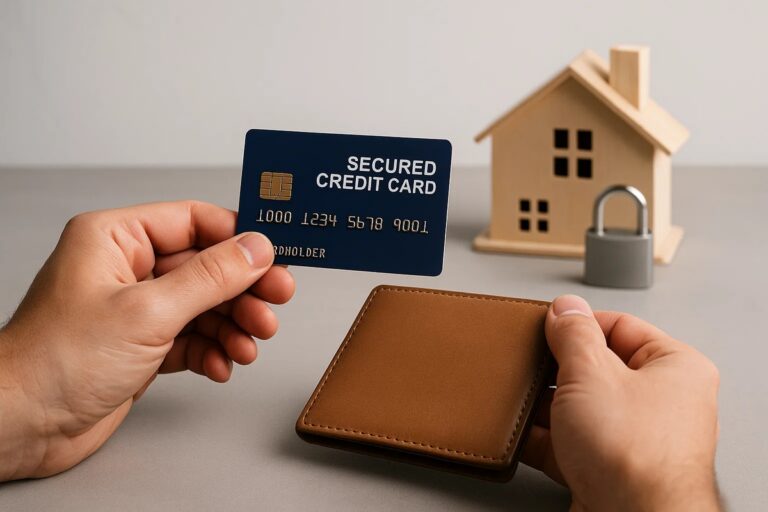
The best secured credit cards for bad credit offer a safe path for consumers rebuilding their financial reputation. People with bad credit or no credit history often face difficulties when applying for traditional cards, and secured cards fill this gap by using a refundable security deposit that establishes the credit limit.
Consumers seeking reliable and accessible options need information that is clear, practical and directly connected to their goals. This guide explains how secured cards work, how the deposit reduces the issuer’s risk, and how reporting to the major credit bureaus speeds up the rebuilding process.
What is a secured credit card?
A secured credit card is a financial product that requires a security deposit as a condition for activation. This deposit becomes the credit limit, which allows the issuer to reduce risk while still granting access to credit. The deposit remains held by the bank until the user closes the account or qualifies for an upgrade to an unsecured card, provided the account has no outstanding balance.
Although the limit is tied to the deposit, the card functions as standard credit with monthly billing cycles and full responsibility for on time payments. Because the issuer has a guaranteed amount to cover potential default, secured cards are accessible even to consumers with bad credit.
The card can be used for everyday purchases, online transactions or recurring payments, and the billing process mirrors that of any regular credit card. Paying the statement in full each month avoids interest and helps build a positive history that is reported to credit bureaus.
How do secured credit cards help rebuild credit?
Secured cards play an important role in rebuilding credit because issuers typically report payment activity to Experian, Equifax and TransUnion. Every on time payment shows financial responsibility and helps increase a consumer’s credit score over time. The structure also limits excessive spending, since the credit limit matches the deposit and encourages controlled use.
Maintaining a low credit utilization ratio is one of the most influential factors in credit scoring models. By keeping the ratio below 30 percent, the user signals responsible management of available credit. Many secured card issuers also evaluate customer behavior after several months of regular payments and low utilization.
The combination of credit bureau reporting, payment discipline and controlled spending makes secured cards one of the most effective tools for anyone who needs to restart their financial journey. As positive patterns accumulate, consumers gain access to improved credit opportunities, lower interest rates and higher limits.
Best secured credit cards for bad credit
The secured card market includes a variety of products designed to accommodate users with different needs. Some prioritize accessibility, others appeal to those seeking rewards, and some focus on simple credit rebuilding. Below are the leading secured card options for consumers with bad credit who need a safe, structured way to rebuild their financial profile.
Capital One Platinum Secured
The Capital One Platinum Secured is recognized for flexible deposit requirements. Depending on the analysis, applicants may qualify for a deposit lower than the credit limit. Capital One reports monthly to all major bureaus and reviews accounts periodically for potential upgrades. Its accessibility makes it one of the most popular choices for newcomers.
Discover it Secured
The Discover it Secured stands out because it offers cashback rewards, an uncommon feature among secured cards. It has no annual fee and provides automatic account reviews after several months of responsible use. The card reports to all three bureaus and gives consumers the opportunity to rebuild credit while earning rewards.
Citi Secured Mastercard
The Citi Secured Mastercard is a straightforward solution for individuals whose priority is rebuilding credit rather than earning rewards. It requires a standard deposit, charges no annual fee and maintains reliable reporting practices. Citi regularly evaluates accounts for potential upgrades to unsecured cards.
OpenSky Secured Visa
The OpenSky Secured Visa does not require a credit check, which makes it accessible for individuals with very low scores or complicated histories. It charges an annual fee but remains a practical option for those who cannot qualify for other secured cards. The issuer reports to all major bureaus and allows upgrades after a consistent period of responsible use.
Chime Credit Builder
The Chime Credit Builder features a unique system that does not rely on a fixed deposit. Instead, the user transfers funds from a Chime account to create the available limit. Chime charges no annual fee, requires no credit check and reports monthly to major bureaus. The program is ideal for beginners who want to build credit through structured, controlled usage.
Comparison: which secured card fits your needs
The table below outlines the essential details of each secured card, including minimum deposits, annual fees, bureau reporting policies and the possibility of upgrades. This comparison helps identify the most suitable card based on user goals and financial situation.
| Card | Minimum Deposit | Annual Fee | Reports to Bureaus | Rewards | Credit Check Required | Upgrade Available |
| Capital One Platinum Secured | 49, 99 or 200 dollars | 0 | Yes | No | Yes | Yes |
| Discover it Secured | 200 dollars | 0 | Yes | Yes | Yes | Yes |
| Citi Secured Mastercard | 200 dollars | 0 | Yes | No | Yes | Yes |
| OpenSky Secured Visa | 200 dollars | 35 dollars | Yes | No | No | Yes |
| Chime Credit Builder | No fixed deposit | 0 | Yes | No | No | No traditional upgrade |
Choosing the right secured card depends on the user’s priorities. Those seeking rewards may prefer the Discover it Secured. Consumers needing the highest approval chances often turn to OpenSky or Chime. Individuals looking for a balance between cost and upgrade potential typically consider Capital One or Citi.
How to use your secured card to build credit
Effective credit rebuilding depends on consistent habits. Paying statements on time, maintaining a low utilization ratio, avoiding unnecessary inquiries and monitoring reports frequently strengthens the credit profile. Keeping utilization below 30 percent is especially important because it shows balanced management of available credit.
Many issuers offer automatic credit limit increases or upgrade reviews after a period of strong performance. Avoiding late payments is critical because even a single missed statement can reverse months of progress. Reviewing credit reports helps identify errors that may negatively affect the score, and addressing those issues ensures the rebuilding process remains accurate and efficient.
How to move from secured to unsecured credit
Transitioning from a secured card to an unsecured card represents the final step in rebuilding credit. Most issuers conduct periodic account reviews, usually between six and twelve months, to determine whether the user qualifies for an upgrade. A history of on time payments, low utilization and consistent financial discipline increases the likelihood of approval.
When the upgrade is granted, the security deposit is returned in full. The user keeps the account history, which supports the credit score and contributes to a longer average account age. If an issuer does not offer upgrade options, consumers may apply for an unsecured card from another institution after their score improves.
Maintaining responsible habits after the upgrade is essential. Credit rebuilding is an ongoing process that relies on consistent choices, controlled spending and disciplined repayment. The long term goal is a stable financial profile that opens access to broader credit opportunities.
👇 Learn more:
Best Travel Credit Cards: Compare Top Rewards and Perks
Is It Worth Financing with a Credit Card? Pros and Cons Explained