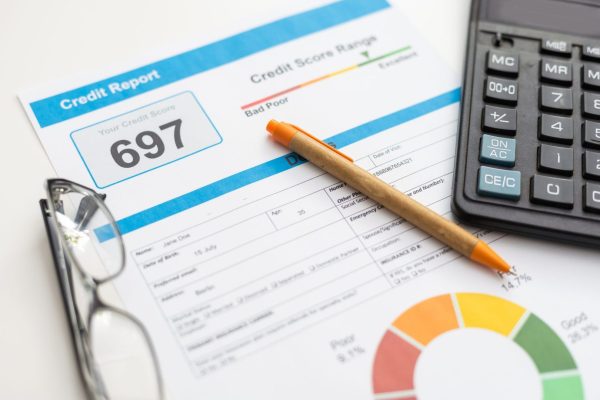
Errors on your credit report are more common than most consumers realize and can directly affect your credit score, loan approvals, and the terms offered by financial institutions. Incorrect, duplicated, or fraudulent information can create a distorted picture of your financial behavior, even when your real credit history is positive.
This guide is designed for consumers who have already reviewed their reports through Experian, Equifax, TransUnion, or AnnualCreditReport.com and identified inaccuracies. Here, you will find clear, safe, and practical guidance on how to dispute errors on your credit report, including legal timelines, required documents, and the correct steps to take if the issue is not resolved right away.
Why credit report accuracy matters
Credit report accuracy is essential because it serves as the official risk assessment tool used by lenders, insurers, landlords, and even employers. A single error can make it appear that you miss payments or carry debts that do not exist, influencing critical financial decisions.
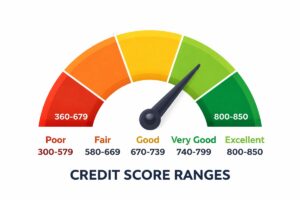
Your credit score is calculated directly from the information listed in your report. When inaccurate data is present, your score may drop unfairly, leading to higher interest rates, lower limits, or automatic denials. Understanding how to dispute errors on your credit report allows you to correct these distortions before they affect future credit applications.
Accurate reports also help with early fraud detection. Unauthorized accounts or credit inquiries may signal identity theft. The sooner these issues are disputed, the easier it is to limit long-term damage to your credit profile.
💰 Read also: The challenges and opportunities of saving for big goals in the United States
Common errors you might find
How to dispute errors on your credit report from simple administrative mistakes to serious cases of fraud. One of the most frequent issues involves incorrect personal information, such as misspelled names, outdated addresses, or incomplete identification data, which may cause another person’s how to dispute errors on your credit report.
It is also common to find accounts that do not belong to you, often linked to identity theft or data-matching errors. Another recurring problem involves payments incorrectly marked as late, even when they were paid on time or settled according to an agreement.
Some reports contain duplicate accounts, where the same debt appears more than once, artificially increasing your balances. Unauthorized hard inquiries can also appear and negatively affect your score. Identifying the exact type of error is a critical first step in learning how to dispute errors on your credit report effectively.
Legal rights under the FCRA: what the law guarantees you
Disputing inaccurate credit information is a right protected by the Fair Credit Reporting Act (FCRA), the federal law that regulates how credit data is collected, reported, and corrected in the United States.
What credit bureaus are legally required to do
Under the FCRA, credit bureaus must investigate any valid dispute, typically within 30 days, by contacting the creditor that provided the information. If the data cannot be verified or the creditor fails to respond within the legal timeframe, the bureau must correct or remove the item.
The law also requires bureaus to provide a written response with the results of the investigation and, when applicable, an updated copy of your credit report. Knowing these rights strengthens your position when navigating how to dispute errors on your credit report properly.
How to dispute errors with Experian, Equifax, and TransUnion
The process of how to dispute errors on your credit report can be completed online, by mail, or in some cases by phone. While all options are valid, online disputes are generally faster and easier to track.
Preparing your documentation before filing a dispute
Before filing a dispute, you should clearly identify which information is incorrect and which credit bureau is reporting it. Next, gather documents that support your claim, such as payment receipts, bank statements, contracts, creditor letters, or a police report if fraud is involved.
Well-organized and relevant documentation significantly improves the bureau’s ability to assess your dispute accurately and efficiently.
Filing the dispute correctly with each bureau
When submitting your dispute, your explanation should be clear, factual, and specific. State exactly what is wrong, why the information is inaccurate, and attach supporting documents. Emotional or vague descriptions can weaken the dispute.
Once submitted, the credit bureau is legally required to investigate the issue with the reporting creditor, as part of the how to dispute errors on your credit report process.
What happens after you file a dispute
After a dispute is filed, the investigation period begins and usually lasts up to 30 days. During this time, the credit bureau reviews your documents and requests verification from the lender or data furnisher.
If the error is confirmed or no response is provided within the legal timeframe, the inaccurate information must be corrected or removed. You will receive a formal notice with the results and, if applicable, an updated credit report.
If the creditor verifies the information as accurate, the item may remain on your report. In this situation, understanding the next steps is an important part of knowing how to dispute errors on your credit report effectively.
Steps to take if your dispute is denied
If your dispute is denied, you still have options. One approach is to reopen the dispute if you can provide new or additional documentation. Repeating the same dispute without new evidence rarely changes the outcome.
You may also contact the lender directly, as the error may originate from their internal records. Another option is to add a consumer statement, a short explanation attached to your credit report that provides context for future reviewers.
In more complex cases, consumers can file a complaint with the Consumer Financial Protection Bureau (CFPB) or seek legal assistance, especially if there are signs that the FCRA has been violated. These steps reinforce your rights within the broader framework of how to dispute errors on your credit report.
How disputes affect your credit score over time
Correcting credit report errors can lead to positive changes in your credit score, but the impact is not always immediate. The effect depends on the type of error corrected, the scoring model used, and your overall credit history.
Removing inaccurate late payments, fraudulent accounts, or duplicate entries often results in gradual score improvement, which is why ongoing monitoring after a dispute is just as important as filing it.
How to prevent future credit report errors
Prevention requires consistent monitoring. Reviewing your credit report regularly helps you catch inaccuracies early, before they cause significant damage to your score.
Protecting personal information, enabling fraud alerts when appropriate, and keeping financial records organized make future disputes easier and reduce the likelihood of recurring problems. These habits support long-term success with how to dispute errors on your credit report.
Conclusion: how to dispute errors on your credit report
Understanding how to dispute errors on your credit report is an essential step in protecting your financial health. While the process involves formal steps and legal timelines, it becomes manageable when approached with organization, proper documentation, and close follow-up.
By reviewing your credit report regularly and acting quickly when errors appear, you take control of your financial reputation. This proactive approach reduces future risk, strengthens your credit profile over time, and supports safer decisions when applying for credit or financing.
💰Learn more: